
Ceramic coatings provide a durable protective layer that helps resist common contaminants such as water, dirt, dust, and UV rays, making car maintenance easier. However, they cannot prevent deep scratches, rock chips, or damage from harsh chemical etching. Knowing both its strengths and limitations allows vehicle owners to properly maintain their paint and make informed protection choices.
How Ceramic Coating Protects Your Vehicle
Ceramic car coating in Houston has become increasingly popular among vehicle owners who want long-lasting protection and enhanced paint aesthetics. This coating forms a hard, glass-like layer on top of the clear coat, creating a smooth, hydrophobic surface. When water, mud, or light debris contacts the surface, it beads up and slides off easily, reducing the chance of water spots and dirt buildup. For many drivers, this property makes routine washes faster and less labor-intensive.
Beyond water repellency, ceramic coatings slow paint oxidation caused by UV exposure. UV rays naturally break down paint over time, causing fading and dullness. With ceramic coatings, this process is delayed, helping vehicles maintain their glossy appearance longer. In Houston, TX, where vehicles are often exposed to strong sunlight, this benefit is particularly valuable for owners who want to preserve their car’s showroom-quality finish.
Ceramic coatings also enhance paint depth and shine. Even light abrasions from routine cleaning are less noticeable, giving the impression of a consistently polished surface. While coatings are not impervious to all damage, they provide a measurable advantage in keeping vehicles looking well-cared-for over time.
Types of Contaminants Ceramic Coating Can Resist
Ceramic coatings are specifically designed to create a barrier between your vehicle’s paint and common environmental contaminants. Understanding these resistances helps car owners manage expectations and apply maintenance practices more effectively.
Water and Liquid-Based Contaminants
The most noticeable feature of Houston, TX ceramic coatings is their hydrophobic nature. Rainwater, morning dew, and other liquids bead and roll off the surface quickly, preventing the formation of stubborn water spots. In areas where humidity and rainfall can vary widely, this property helps reduce long-term mineral buildup and staining.
Even minor splashes, such as puddles or light road spray, are less likely to adhere to the coating. While it is not a substitute for regular washing, this hydrophobic effect simplifies routine maintenance and decreases the risk of water-related damage.
Dirt, Dust, and Road Grime
Dust, pollen, and road grime are common problems for city drivers. Ceramic coatings make it harder for these particles to stick to the paint surface. During a recent audit for a firm in Houston, TX, vehicles with ceramic coatings required noticeably less effort to clean compared to uncoated vehicles.
The reduced adhesion also means that the risk of scratching from friction during washing is lower, provided proper cleaning techniques are used. For owners who want to maintain a clean look without daily washing, this is a major advantage.
UV Rays
Prolonged exposure to sunlight is one of the leading causes of paint fading and oxidation. Ceramic coatings block some UV radiation, slowing this natural degradation process. The result is paint that maintains its depth, clarity, and gloss for a longer period, even under intense sun exposure common in Houston, TX.
Mild Chemical Contaminants
Light contaminants such as bird droppings, tree sap, or acidic residue from rain may be resisted by ceramic coatings, but only if they are removed promptly. The coating slows the etching process but does not make the surface impervious. Leaving these substances on the paint for an extended period can still cause damage, emphasizing the importance of timely maintenance.
Types of Damage Ceramic Coating Cannot Prevent
While ceramic coatings offer strong chemical and environmental resistance, they are not designed to withstand physical damage or extreme chemical exposure.
Physical Impact Damage
Ceramic coatings are thin layers that provide chemical protection without significantly increasing paint thickness. Deep scratches from keys, rocks, or gravel will penetrate both the coating and the clear coat, leaving permanent marks. Paint protection films or careful driving are required to prevent this type of damage.
Extreme Chemical Damage
Strong acids, industrial fallout, concentrated cleaners, and brake dust can damage both the ceramic coating and the underlying paint. The coating can slow chemical reactions, but cannot prevent damage if exposure is prolonged. For vehicles parked in industrial or high-traffic urban areas, prompt cleaning is essential to maintain protection.
Improper Maintenance Effects
Aggressive washing techniques or the use of dirty, abrasive cloths can leave swirl marks and fine scratches on coated surfaces. While ceramic coatings reduce the visibility of minor marks, they do not eliminate the need for proper care. Following best practices in car washing ensures the coating remains effective and preserves the paint.
Comparison Between Resistant and Non-Resistant Contaminants
| Contaminant or Damage Type | Resistance Level | Notes |
| Water and light rain | High | A hydrophobic surface improves water shedding |
| Light dust and road grime | Moderate to High | Easier removal during cleaning |
| UV radiation | Moderate to High | Reduces oxidation and fading |
| Bird droppings and tree sap | Partial | Must be removed promptly |
| Industrial fallout and strong chemicals | Low | Can etch through if not cleaned promptly |
| Deep scratches and physical impact | None | Mechanical damage bypasses the coating |
| Improper washing and abrasion | Low | Protective surface helps, but cannot stop all marks |
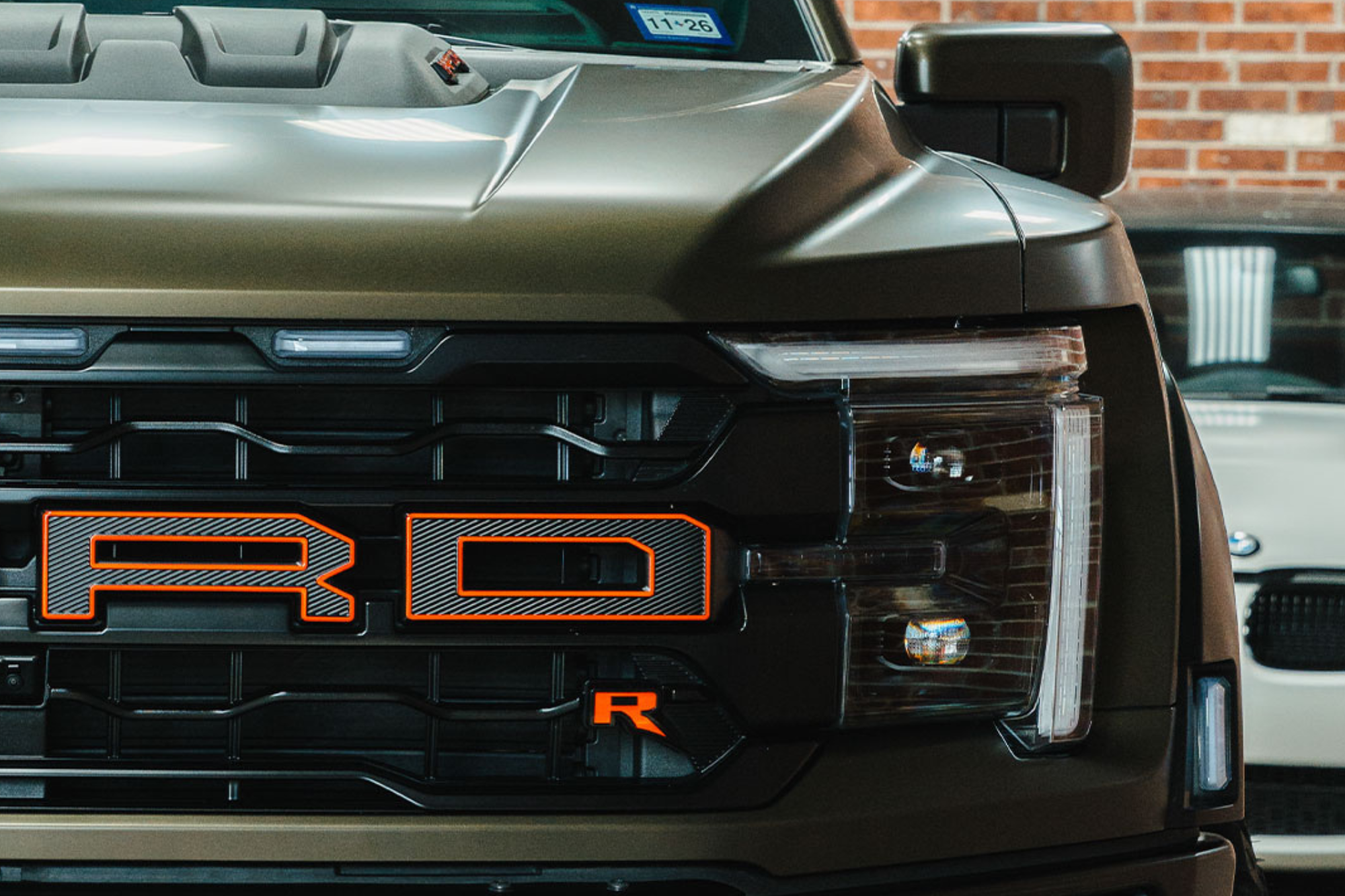
Benefits of Ceramic Coating in Daily Use
Ceramic coating provides several benefits that extend beyond simple chemical resistance:
Ease of Cleaning – Contaminants slide off the surface, reducing cleaning time and effort.
Enhanced Gloss and Depth – Coatings improve paint clarity, giving vehicles a polished look even under regular use.
Extended Protection – Slows oxidation and delays fading, helping preserve vehicle value.
Owners of Houston ceramic coating often report that their vehicles maintain a fresher appearance for longer periods compared to uncoated cars, even in challenging urban conditions.
Applying This to Solve the Problem
To maximize the benefits of ceramic coatings, follow these steps:
- Prompt Removal of Aggressive Contaminants – Quickly remove bird droppings, tree sap, or acidic residue.
- Routine Maintenance Washing – Use microfiber cloths and proper wash techniques to prevent scratches and swirl marks.
- Regular Inspection – Check for chips, scratches, or residue accumulation to address problems early.
- Complementary Protection in High-Risk Areas – Consider additional protective methods in areas exposed to gravel or debris.
These strategies ensure that ceramic coatings work effectively over time, keeping the vehicle’s paint in optimal condition.
Common Misconceptions About Ceramic Coating
A widespread myth is that ceramic coatings make vehicles scratch-proof. While coatings do reduce minor marks and repel contaminants, they cannot prevent mechanical damage or deep scratches. Understanding these limitations helps car owners make informed decisions and set realistic expectations.
In Summary
Ceramic coatings resist water, dirt, dust, and UV rays, offering a durable protective layer that simplifies maintenance and enhances appearance. However, they cannot prevent deep scratches, rock chips, or prolonged chemical etching. By using proper maintenance practices and applying coatings strategically, vehicle owners can maximize protection and preserve paint for years to come.
Whether you are a casual driver or a car enthusiast in Houston, TX, Houston Paint Protection can help you understand the benefits and limitations of ceramic coatings and keep your vehicle looking its best. Contact us today to learn more or schedule your ceramic coating application!
People Also Ask
What contaminants does ceramic coating protect against?
It protects against water spots, light dust, road grime, and UV rays, helping maintain paint quality over time.
Can ceramic coating prevent scratches and chips?
No. While it reduces minor marks, mechanical damage like rock chips will penetrate the coating.
How long does ceramic coating last?
Lifespan depends on application quality, driving conditions, and maintenance routines.
Is ceramic coating better than wax or sealant?
It provides longer-lasting protection and superior hydrophobic properties, though wax can still enhance shine.