
Yes, high humidity can cause window tint to bubble or peel by significantly slowing the evaporation of the moisture used during installation. If this water remains trapped between the film and the glass for too long in a damp climate, the adhesive fails to cure, leading to persistent water pockets or lifting at the edges.
The Impact of Moisture on Adhesive Bonds
When you invest in high-quality film, you are essentially investing in a complex chemical bond. The installation process involves a specialized liquid solution that allows the technician to slide the film into the perfect position. For the tint to “set,” this liquid must evaporate completely through the semi-permeable layers of the film.
In a saturated atmosphere, the air is already holding a significant amount of water vapor. This significantly slows the evaporation process. While a vehicle in a dry climate might cure in a few days, a vehicle experiencing the heavy coastal air of Houston window tinting conditions might require up to three weeks to fully dry. If the moisture remains trapped for too long, it can compromise the adhesive’s integrity, resulting in the unsightly “bubbling” many drivers fear.
Comparing Dry vs. Humid Curing Conditions
To understand how moisture affects your vehicle, it is helpful to examine how atmospheric conditions alter the timeline and risks associated with new film.
| Atmospheric Condition | Average Curing Time | Primary Risk Factor | Recommended Maintenance |
| Low Humidity (0-30%) | 2 to 5 Days | Rapid drying leading to “silvering.” | Keep out of direct, intense heat for 24 hours |
| Moderate Humidity (31-60%) | 5 to 10 Days | Minor water haze | Standard parking; no window operation for 48 hours |
| High Humidity (61-100%) | 14 to 21 Days | Persistent water pockets and edge lifting | Park in direct sunlight to force evaporation |
Factors That Exacerbate Peeling in Damp Climates
While the air itself is a major factor, several secondary elements contribute to film failure when the dew point is high.
- Surface Contamination: In damp regions, microscopic spores and dust particles tend to cling to glass surfaces more aggressively. If these aren’t removed in a controlled environment, they create tiny gaps where moisture can collect.
- Temperature Fluctuations: Rapid changes between a cool, air-conditioned interior and the sweltering heat outside can cause the glass to expand and contract. During a recent audit for a client in a high-moisture neighborhood, we found that this movement can pull the film away if the adhesive hasn’t cured. This is a common challenge for those seeking window tinting in Houston, TX.
- Improper Cleaning: Using the wrong chemicals on a film that is struggling to cure in a damp climate is a recipe for disaster. This is why we always recommend waiting longer than usual to perform the first cleaning when you are dealing with high-vapor environments.
Ensuring Reliable Installation in High-Moisture Environments
High-moisture conditions can pose serious challenges for surface applications. To achieve a long-lasting bond, a carefully staged process can be used that integrates both physical and chemical techniques.
The first stage is environmental stabilization. Before any material is applied, the workspace is adjusted to an optimal humidity-to-temperature ratio. This pre-conditioning ensures that the surface is thoroughly dry at a molecular level, providing the ideal conditions for adhesion.
The second stage involves using a low-surface-tension solution during application. Unlike standard fluids, this allows for more effective removal of residual moisture, reducing the amount of liquid left behind and supporting a stronger, more durable bond.
The final stage includes a post-install inspection. Thermal or infrared scanning can detect hidden pockets of moisture, which can then be treated immediately. This prevents common issues such as edge lifting or peeling, ensuring the installation remains secure over time.
Debunking the “Bubbles Always Mean a Bad Job” Myth
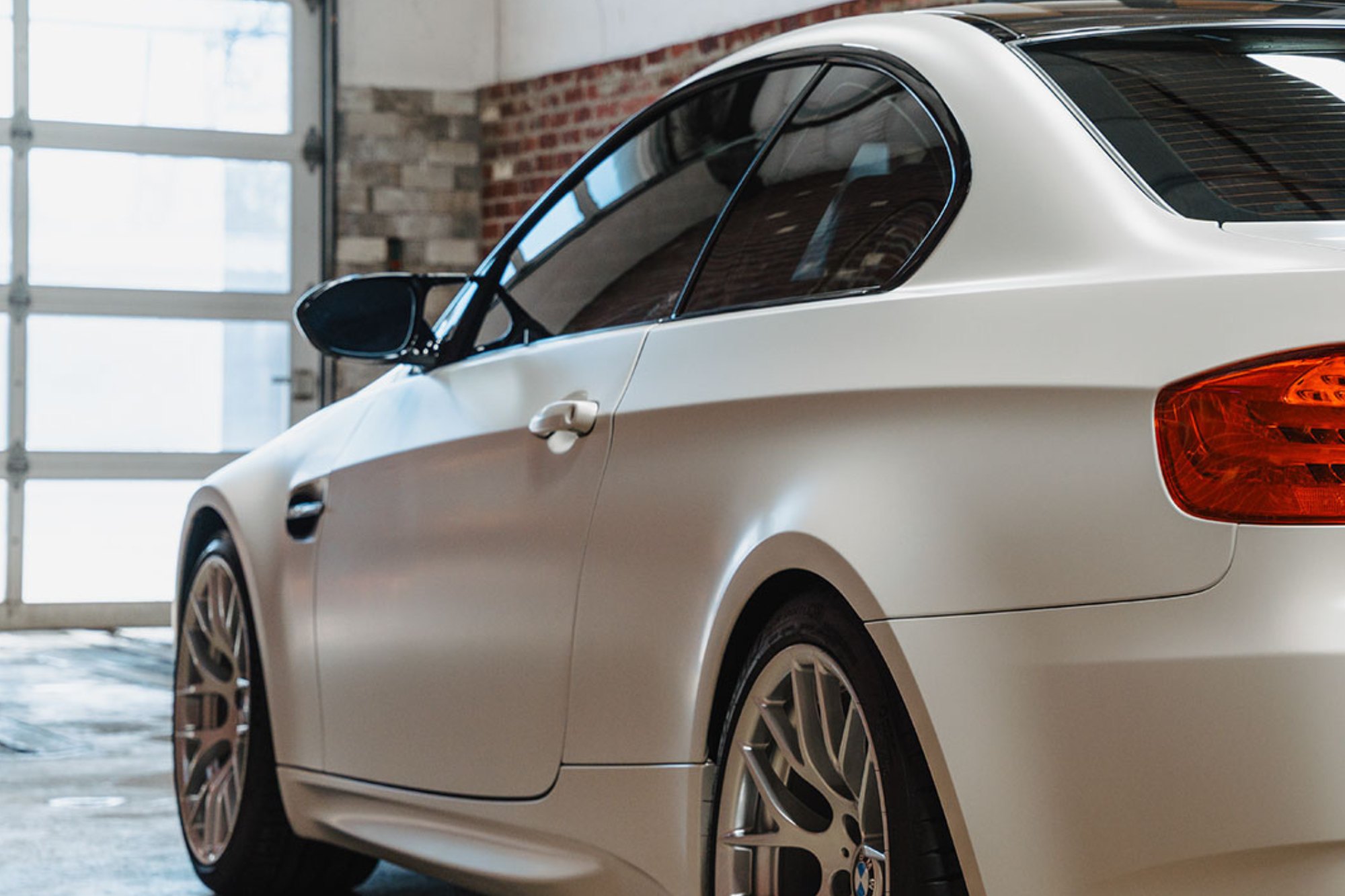
A common industry myth is that any visible bubble immediately following installation is a sign of poor craftsmanship. In reality, “water blisters” are a natural part of the chemical bonding process, especially in humid climates. These are tiny pockets of the installation lubricant that have not yet evaporated. If you try to “pop” them with a needle or credit card, you will ruin the film. True “bad” bubbles are caused by dirt or dust (which appears as a grain of sand at the center) or by adhesive failure. If the bubble is clear and watery, just give the sun time to work its magic. This distinction is vital for anyone considering Houston window tinting options.
Maximizing the Lifespan of Your Film
To ensure your investment remains flawless, you must respect the curing window. In a heavy-moisture climate, we suggest a “rule of three”:
- Do not roll down windows for 3 days.
- Do not wash the exterior for 3 days.
- Do not clean the interior of the glass for 3 weeks.
This conservative timeline allows the process to reach maximum bond strength, effectively protecting the surface from moisture for years to come. High-quality window tinting in Houston, TX, results depend as much on the post-care as they do on the initial application.
In Summary
While humidity can present challenges for window film, it can be managed with the right technique and careful execution. At Houston Paint Protection, we understand the critical relationship between vapor pressure and adhesive chemistry, ensuring a smooth, bubble-free finish even in high-moisture conditions. Protecting your vehicle from the sun shouldn’t be compromised by the moisture in the air; this is the standard we uphold for all window tinting installations.
If you are ready to experience a professional installation that stands up to the toughest climates, contact us today to learn more about our precision services.
People Also Ask
How long does it take for window tint to dry in high humidity?
In high humidity, window tint typically takes between 14 and 21 days to fully cure. While the film may appear dry to the touch sooner, the moisture trapped behind the polyester layer needs this extended time to evaporate completely.
Can I use a hair dryer to speed up the drying process?
It is not recommended. Uneven heat can cause the film to shrink or distort. The best way to speed up curing is to park the vehicle in direct sunlight, which provides a consistent, even temperature across the entire glass surface.
What happens if a bubble doesn’t go away after a month?
If a bubble persists for 30 days, it is likely a “contamination bubble” caused by a dust particle or hair trapped during installation. These will not disappear over time and usually require a professional to replace the film for a seamless finish. This is a common troubleshooting point for customers with window tinting.