Paint protection film is a clear polyurethane layer designed to shield automotive paint from UV radiation, heat stress, rock chips, and environmental contaminants. In hot climates, its performance depends less on the material itself and more on how it is maintained over time. When properly cared for, the film stays optically clear, resists edge lifting, and preserves factory paint for years.
The key to long-term success is understanding how heat accelerates contamination bonding, adhesive fatigue, and surface wear. Once that is understood, maintenance becomes predictable and highly effective rather than reactive or costly.
How Heat Influences Film Performance
Heat does not immediately degrade Houston paint protection film, but it increases the rate at which small issues become visible. Adhesive layers soften slightly under sustained heat, then re-harden during cooling cycles. This constant expansion and contraction places stress on edges and corners, which are naturally the weakest points of any installation.
UV exposure also plays a gradual role. Even with advanced UV inhibitors built into modern films, prolonged exposure to sunlight gradually reduces surface clarity. The change is not sudden—it appears as a subtle reduction in gloss or a slightly warmer tint over time.
Another overlooked factor is contamination behavior. Dust, pollen, and oils bond more strongly to warm surfaces, meaning a vehicle that sits in direct sun will accumulate stubborn residue faster than one kept cool or shaded. This makes routine cleaning more important than occasional deep cleaning.
In high-temperature service environments, especially where vehicles are exposed to prolonged outdoor parking, technicians consistently find that heat amplifies installation imperfections and accelerates edge wear if maintenance is inconsistent.
Proper Washing Technique in High Temperatures
Washing is the most important maintenance activity for paint protection film in Houston, TX, but it is also where most damage occurs. Incorrect washing techniques create swirl marks, weaken adhesives, and push contaminants into the film edges.
The correct method focuses on temperature control and lubrication. The surface should always be cool before washing. If the panel is hot, water and soap evaporate too quickly, leaving mineral deposits that bond to the film surface.
A pH-neutral shampoo should be used to prevent chemical breakdown of the top coat. Microfiber wash mitts are preferred because they trap particles rather than dragging them across the surface. High-pressure washers should be used cautiously and never directed directly at seams or lifted edges.
One of the most common mistakes is washing under direct midday sunlight. On hot surfaces, soap dries almost instantly, leaving streaks and residues that are difficult to remove without polishing or decontamination.
Parking Strategy and Heat Management
Parking decisions directly impact the lifespan of films. Even the highest-quality film will degrade faster if the vehicle is constantly exposed to extreme heat and UV radiation.
Shaded parking, garages, or even partial shade from structures significantly reduce surface temperature fluctuations. Reducing heat cycling helps preserve adhesive stability and prevents premature edge lifting.
Interior heat also plays a role. A parked vehicle can reach extremely high internal temperatures, which, in turn, raise the exterior panel temperature and increase stress on the film.
Urban environments with dense concrete-and-glass buildings and reflective surfaces intensify this effect by trapping heat and radiating it back onto vehicles. Over time, this leads to faster surface aging if protective habits are not consistently followed.
Why Installation Quality Matters More in Hot Climates
Even the best maintenance routine cannot compensate for poor installation. Film longevity is heavily influenced by how well it was applied, especially in high-temperature environments.
Proper installation requires:
- Thorough surface decontamination before application
- Controlled temperature during installation
- Accurate edge wrapping or sealing
- Elimination of trapped air and dust
- Proper curing time after installation
Edges are particularly important. If they are not properly anchored, heat cycles will gradually loosen them. Once an edge begins to lift, dirt and moisture can enter underneath, accelerating failure.
Technicians often see that small installation errors become much more noticeable in hot climates because thermal expansion repeatedly stresses weak points in the film.
Building a Reliable Maintenance Schedule
Consistency is more important than intensity when maintaining paint protection film in Houston. A structured routine prevents contaminants from becoming permanent and allows early detection of issues.
A practical maintenance schedule includes:
Weekly washing to remove surface dirt before it bonds
Monthly deep cleaning to remove embedded contaminants
Quarterly inspection of edges, seams, and high-impact zones
Annual professional detailing for restoration and evaluation
This schedule helps maintain clarity and ensures that small problems do not develop into expensive repairs.
Vehicles that follow structured maintenance routines consistently show longer film lifespan and fewer issues with discoloration or lifting.
Common Mistakes That Reduce Film Lifespan
Most PPF damage is preventable. The most common mistake is using aggressive cleaning tools such as stiff brushes or abrasive sponges. These create micro-scratches that accumulate over time and reduce gloss.
Another frequent issue is the use of harsh chemicals. Solvents and petroleum-based cleaners can weaken the top coat and reduce hydrophobic properties. Once this layer is compromised, the film becomes more susceptible to staining.
Automatic car washes also contribute significantly to wear. The repeated mechanical action of brushes across the surface gradually weakens edges and introduces swirl marks.
Neglecting early signs of lifting is another critical mistake. Small lifted edges rarely self-heal and usually worsen once contaminants enter beneath the film.
Ceramic Coating as a Protective Layer
Applying a ceramic coating over paint protection film enhances performance without replacing the film itself. The ceramic layer adds hydrophobic properties, reduces dirt adhesion, and makes cleaning significantly easier.
It also improves UV resistance and surface slickness, reducing friction during washing. While PPF handles physical impact protection, ceramic coating enhances chemical and environmental resistance.
The combination of the two systems creates a layered defense that performs especially well in hot climates, where heat and humidity accelerate the buildup of contamination.
Environmental Contaminants and Heat Interaction
Hot climates create ideal conditions for contaminants to bond with automotive surfaces. Tree sap, bird droppings, tar, and industrial fallout become more aggressive when exposed to heat.
If left untreated, these contaminants can etch into the film surface. This is especially true when they dry under direct sunlight, which effectively bakes them into the top layer.
Prompt removal is essential. Even a few hours of exposure can make cleaning more difficult, especially during peak temperature periods.
Regular inspection helps prevent long-term staining and preserves optical clarity over time.
Professional Maintenance vs At-Home Care
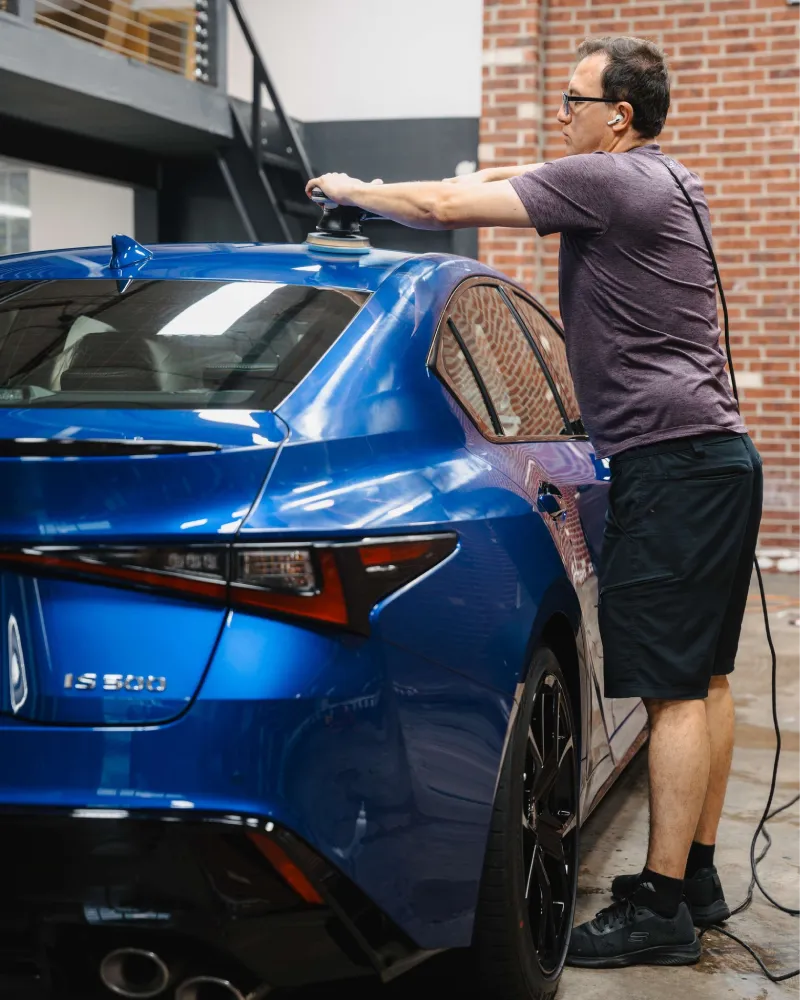
At-home maintenance is effective for routine cleaning, but professional detailing provides deeper inspection and restoration capabilities.
Professional services typically include:
Edge reactivation using controlled heat
Decontamination washes to remove embedded particles
Infrared inspection for hidden lifting or damage
Surface restoration to restore gloss and clarity
These services are especially useful in identifying early-stage issues that are not visible during normal washing.
Combining professional servicing with consistent at-home maintenance produces the most reliable long-term results.
Long-Term Expectations for Paint Protection Film
With proper care, high-quality film can last between five and ten years. The actual lifespan depends on environmental exposure, installation quality, and maintenance consistency.
Heat alone does not destroy film, but it accelerates wear when combined with poor care habits. The most common long-term issues are edge lifting, slight discoloration, and surface haze.
Well-maintained film remains nearly invisible while continuing to protect paint from chips, scratches, and UV damage. Neglected film tends to fail earlier and may require full replacement.
Maintenance Checklist
A simple maintenance checklist helps ensure consistency:
Wash weekly using safe products
Avoid cleaning hot surfaces
Inspect edges monthly
Remove contaminants immediately
Schedule annual professional servicing
Following these steps reduces long-term degradation and maintains both appearance and performance.
Final Takeaway
Protecting paint protection film in hot climates is less about complex techniques and more about consistency and temperature awareness. Heat increases stress on adhesives and accelerates contamination bonding, but these effects are manageable with proper care.
A disciplined maintenance routine preserves clarity, extends the film’s lifespan, and ensures it continues to perform as intended. This level of care is a core focus at Houston Paint Protection, where long-term performance and protection standards are prioritized through proper upkeep practices.
For professional installation, inspection, and maintenance services, contact us for specialized solutions designed for long-term durability in extreme heat environments.
People Also Ask
How often should paint protection film be washed in hot weather?
Weekly washing is recommended to prevent contaminants from bonding and to reduce heat-related surface stress.
Does heat reduce the lifespan of PPF?
Heat does not directly damage the film, but it accelerates wear when combined with improper maintenance or neglect.
Can I wax over paint protection film?
Only use products specifically designed for PPF. Harsh waxes or solvents can damage the protective top layer.
What is the most important factor in PPF longevity?
Consistent maintenance and proper washing technique are the most important factors in extending film lifespan.