Paint protection film can often be removed without damaging the paint when it has been professionally installed on properly cured factory paint and removed using the correct techniques. Safe removal depends on factors such as the condition of the paint, the age of the film, installation quality, and the removal process. A professional inspection is the best way to evaluate your vehicle before removing PPF.
Why Paint Protection Film Is Designed to Be Removable
Modern paint protection film is engineered to provide durable protection while remaining removable when the time comes for replacement.
Premium PPF is designed to:
- Protect factory paint
- Resist road debris
- Reduce rock chip damage
- Maintain paint appearance
- Be replaced when necessary
When removal is performed properly, the film is intended to separate from the paint without harming the original finish.
Professional paint protection film in Houston services follow manufacturer-recommended procedures to help ensure safe removal.
Factory Paint Usually Offers the Best Conditions
The condition of the paint underneath the film plays an important role in the removal process.
Factory-applied paint generally provides the most reliable surface because it has been fully cured during the manufacturing process.
Vehicles with original paint often experience fewer concerns during PPF removal than those with aftermarket repainting or body repairs.
For example, a vehicle owner in River Oaks replacing an older film on original factory paint may experience a smoother removal process than someone with recently repainted panels.
Proper Removal Requires the Right Technique
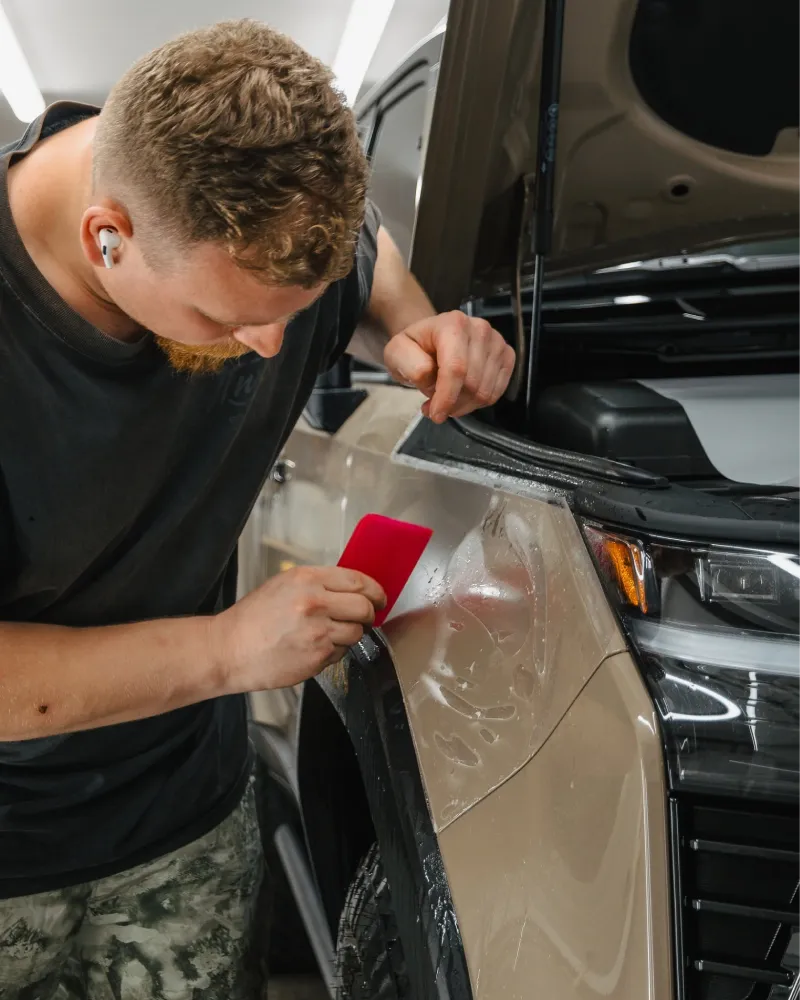
Removing paint protection film is more involved than simply pulling it away from the surface.
Professional installers typically use:
- Controlled heat
- Specialized removal techniques
- Proper pulling angles
- Slow, consistent movement
- Careful adhesive management
These methods help reduce unnecessary stress on both the film and the paint underneath.
Attempting to remove the film too quickly or without proper preparation may increase the likelihood of complications.
Film Age Can Influence Removal
Like many automotive protection products, paint protection film changes over time.
Factors that affect removal include:
- Length of time installed
- Sun exposure
- Climate
- Maintenance history
- Film quality
Older films may require additional care during removal because prolonged environmental exposure can affect the adhesive and flexibility of the material.
Professional paint protection film in Houston, TX, technicians understand how to adapt removal techniques based on the film’s condition.
Recently Repainted Panels Require Extra Caution
Paint that has been repaired or repainted may not behave the same as original factory finishes.
Potential concerns include:
- Improper paint curing
- Weak paint adhesion
- Previous body repairs
- Lower-quality refinishing work
These situations do not necessarily prevent safe PPF removal, but they often require additional evaluation before work begins.
A vehicle in Memorial that has undergone collision repairs may benefit from a professional inspection before attempting film removal.
Adhesive Residue Is Normal
After the film is removed, some adhesive residue may remain on the paint.
Professional removal includes carefully eliminating this residue using products specifically designed for automotive finishes.
Proper adhesive removal helps restore a clean surface while preparing the vehicle for:
- New PPF installation
- Ceramic coating
- Paint correction
- Exterior detailing
Using improper chemicals or abrasive tools may increase the risk of damaging the finish.
Paint Inspection Is an Important Final Step
Once the film and adhesive have been removed, technicians typically inspect the paint.
This evaluation may identify:
- Minor swirl marks
- Existing rock chips
- Paint defects
- Areas requiring correction
If needed, paint correction can improve the appearance of the surface before another protective product is installed.
For example, a vehicle owner in The Heights replacing older paint protection film may choose paint correction before installing a new generation of self-healing PPF.
Professional Removal Helps Reduce Risk
Although some vehicle owners consider removing paint protection film themselves, professional service offers several advantages.
Experienced installers understand how to:
- Evaluate paint condition.
- Apply controlled heat safely.
- Remove film without unnecessary stress.
- Eliminate adhesive residue.
- Prepare the surface for future protection.
Professional removal helps reduce avoidable risks while preserving the appearance of the vehicle’s paint whenever conditions allow.
Paint Protection Film Removal Risk Comparison
| Removal Factor | Lower Risk | Higher Risk |
| Factory original paint | ✓ | |
| Professional PPF installation | ✓ | |
| Controlled heat-assisted removal | ✓ | |
| Recently repainted panels | ✓ | |
| Improper DIY removal | ✓ | |
| Severely aged or neglected film | ✓ | |
| Professional adhesive removal | ✓ | |
| Aggressive scraping or pulling | ✓ |
Every vehicle is different. The condition of the paint, the quality of the film, and the removal method all influence the outcome. Having the vehicle evaluated before removal helps identify potential concerns and determine the safest approach.
Paint Protection Film Terms Every Vehicle Owner Should Know
Understanding these common PPF terms can help you make informed decisions about removal, replacement, and long-term paint protection.
- Paint Protection Film (PPF): A clear urethane film that helps protect vehicle paint from rock chips, scratches, stains, bug splatter, and road debris.
- PPF Removal: The careful process of removing paint protection film while minimizing stress on the underlying paint.
- Factory Paint: The original manufacturer-applied paint, which is typically the safest surface for PPF installation and removal.
- Adhesive Residue: Leftover adhesive after film removal that is safely cleaned using automotive-grade products.
- Paint Correction: Machine polishing that reduces swirl marks, light scratches, oxidation, and other paint imperfections before applying new protection.
- Self-Healing Film: A premium PPF that helps minimize the appearance of light surface scratches when exposed to heat.
Myth: Removing Paint Protection Film Always Damages the Paint
A common misconception is that removing paint protection film automatically pulls off the vehicle’s paint.
In reality, high-quality paint protection film installed on properly cured factory paint is generally designed to be removed safely using the correct techniques. The greatest risks typically occur when the vehicle has been improperly repainted, the paint has not fully cured before installation, or removal is attempted without proper tools and procedures.
Professional Houston, TX paint protection film services evaluate the condition of both the film and the paint before beginning removal, helping reduce unnecessary risks and ensuring the safest process possible.
Best Practices Before Removing Paint Protection Film
If you’re considering removing existing PPF, these recommendations can help protect your vehicle:
- Have the paint and film inspected by an experienced professional.
- Avoid pulling the film off quickly or without proper preparation.
- Allow controlled heat to soften the adhesive during removal.
- Use products designed specifically for automotive adhesive removal.
- Inspect the paint after removal for any existing defects or damage.
- Consider paint correction before installing replacement PPF or ceramic coating.
- Maintain the newly exposed paint with appropriate protection after removal.
Following these steps helps preserve the finish and prepares the surface for future protection.
In Summary
Paint protection film can often be removed without damaging properly cured factory paint when it is professionally installed and removed using the correct techniques. Factors such as paint condition, film age, and previous repairs affect the results, making a professional evaluation essential.
If you’re considering paint protection film in Houston, trust Houston Paint Protection for expert inspection, safe PPF removal, and professional installation to keep your vehicle protected for years to come.
Contact us today to schedule a paint protection film consultation and learn how professional PPF removal and replacement can help preserve your vehicle’s finish while maintaining long-term protection.
People Also Ask
Can paint protection film be removed without damaging factory paint?
In many cases, yes. Professionally installed paint protection film can often be removed safely from properly cured factory paint using the correct techniques and specialized tools.
Why is heat used during PPF removal?
Controlled heat helps soften the film’s adhesive, allowing the film to separate more easily from the paint while reducing unnecessary stress on the surface.
Can old paint protection film become difficult to remove?
Yes. As PPF ages, prolonged exposure to sunlight, weather, and environmental contaminants can affect its flexibility and adhesive, making professional removal even more important.
Does paint protection film leave adhesive behind?
Some adhesive residue may remain after removal. Professional technicians use specialized products to safely remove the residue and prepare the surface for additional protection if desired.
Should I replace paint protection film after removing it?
Many vehicle owners choose to install new paint protection film after removal to continue protecting vulnerable painted surfaces from rock chips, road debris, and environmental damage.