
Drivers without tinted windows are exposed to higher cabin temperatures, intensified sun glare, and increased UV radiation. These conditions directly affect driving safety, visibility, and the long-term condition of the vehicle. Untreated automotive glass allows solar energy to enter freely, which increases eye strain, accelerates interior fading, and forces the vehicle’s air conditioning system to work harder to maintain comfort.
Modern window tinting reduces infrared heat penetration, filters ultraviolet rays, and minimizes glare intensity. The result is a more controlled cabin environment with improved visibility and reduced interior wear over time.
Window tint reduces glare, blocks UV rays, and lowers cabin heat by limiting solar radiation entering the vehicle. This improves visibility, reduces driver fatigue, and protects interior materials such as leather, dashboards, and trim from long-term heat damage.
Why Sun Glare Creates Real Driving Safety Risks
Sun glare is a visibility disruption caused by intense light reflecting directly into the driver’s line of sight. It commonly occurs at sunrise or sunset, or when sunlight reflects off wet roads and surrounding vehicles.
Even brief exposure to glare can reduce contrast perception, making it harder to identify pedestrians, lane markings, and braking traffic.
Real-World Driving Situations Where Glare Becomes Critical
- Morning and evening commutes with low sun angles
- Highway driving with direct sun exposure
- Urban traffic with glass building reflections
- Rainy conditions with reflective pavement surfaces
Practical Effects on Drivers
- Delayed recognition of road hazards
- Increased squinting and eye fatigue
- Reduced depth perception in bright light
- Slower reaction time in traffic transitions
- Higher mental strain during long drives
Drivers searching for window tint in Houston solutions are often responding to these real visibility challenges, especially in high-exposure driving environments.
How Heat Builds Inside a Vehicle Without Window Tint
Vehicle glass allows visible light and infrared radiation to pass through. Once inside the cabin, this energy becomes trapped and converts into heat, causing rapid temperature increases.
This greenhouse effect is one of the primary reasons vehicles feel significantly hotter inside than the outside temperature suggests.
What Happens Inside the Cabin
- Solar radiation enters through glass surfaces
- Interior materials absorb infrared energy
- Heat becomes trapped in a closed environment
- Air temperature rises rapidly
- Cooling systems must compensate after ignition
Drivers often notice this most when returning to a parked vehicle that has been exposed to direct sunlight.
Cabin Temperature Comparison (Real-World Range)
| Condition | Interior Temperature After ~30 Minutes |
| No Tint | 120°F–140°F |
| Factory Glass Only | 110°F–125°F |
| Ceramic Window Film | 90°F–105°F |
Vehicles without film require significantly more time and energy to cool down after exposure.
UV Exposure and Long-Term Interior Deterioration
Ultraviolet radiation is a major contributor to slow interior damage. While not immediately visible, UV exposure gradually breaks down polymers, dyes, and protective coatings inside the cabin.
Most Vulnerable Interior Components
| Component | Long-Term Exposure Effects |
| Dashboard | Cracking, fading, surface brittleness |
| Leather Seats | Drying, discoloration, stiffness |
| Steering Wheel | Wear and surface degradation |
| Trim Panels | Fading and warping |
| Electronics | Heat stress and reduced lifespan |
High-quality window film helps reduce UV penetration, preserving both appearance and material durability over time.
How Window Tint Improves Real Driving Conditions
Window tint is not just an aesthetic modification; it directly improves the vehicle’s performance in everyday use by controlling solar heat and light transmission.
Key Practical Benefits
- Reduced eye strain during bright driving conditions
- Lower cabin temperatures after parking outdoors
- Improved air conditioning efficiency during peak heat
- Reduced dashboard reflection on windshield surfaces
- More stable interior comfort for passengers
These benefits become especially noticeable during daily commuting or extended highway travel.
Window Film Types and Performance Differences
Not all automotive films deliver the same level of protection. Performance depends on material composition and infrared-rejection capability rather than on darkness level alone, making professional Houston window tinting an important factor in achieving long-term comfort and UV protection.
Performance Comparison
| Film Type | Heat Rejection | UV Protection | Signal Interference | Longevity |
| Dyed Film | Moderate | Moderate | None | Medium |
| Metalized Film | High | High | Possible | High |
| Carbon Film | Very High | Strong | None | Very High |
| Ceramic Film | Excellent | Excellent | None | Premium |
Ceramic films are widely preferred for their ability to reduce heat without interfering with electronic systems such as GPS, mobile signals, or driver-assistance sensors.
Technical Specifications That Actually Matter
Understanding tint performance requires evaluating measurable technical properties rather than visual darkness.
Visible Light Transmission (VLT)
The percentage of visible light allowed to pass through the glass and film combination.
Infrared Rejection (IRR)
Measures the film’s ability to block heat-producing infrared radiation.
UV Rejection
Indicates the percentage of harmful ultraviolet rays blocked from entering the cabin.
Glare Reduction Index
Describes how effectively the film reduces brightness intensity and improves visual clarity.
Nano-Ceramic Construction
Advanced non-metallic technology designed to deliver heat rejection while maintaining optical clarity and signal compatibility.
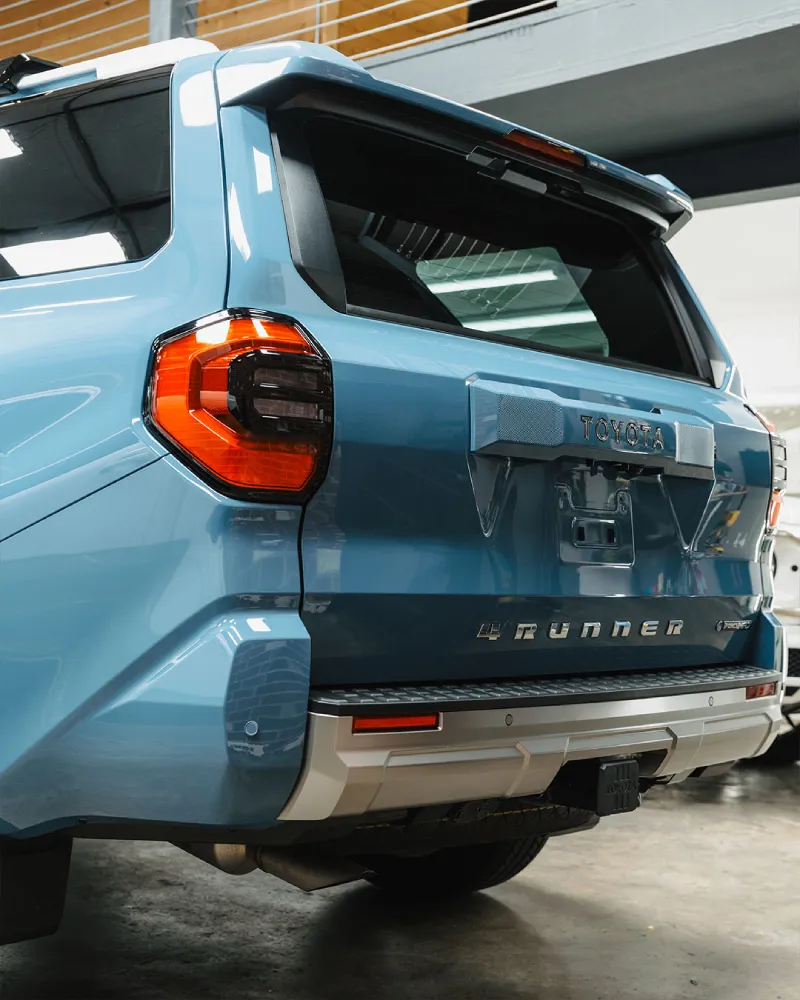
Signs Your Vehicle Is Experiencing Excess Solar Exposure
Many drivers adapt to discomfort without recognizing underlying heat and glare issues.
Common Indicators
- The steering wheel becomes excessively hot after parking
- Seats retain heat long after starting the vehicle
- Dashboard shows visible fading or cracking
- Constant squinting during daytime driving
- Air conditioning struggles during peak hours
- Passenger discomfort due to direct sunlight exposure
These symptoms indicate excessive solar heat gain through untreated glass.
Myth: Darker Tint Always Means Better Performance
A common misunderstanding is that darker window film automatically provides better heat rejection. In reality, tint performance depends on infrared-blocking technology, not darkness level.
Modern ceramic films can outperform darker-dyed films while maintaining better visibility and compliance with legal light-transmission standards.
What Determines Real Performance
- Infrared heat rejection capability
- UV blocking efficiency
- Optical clarity and distortion control
- Film material engineering
- Installation quality and precision
Why Professional Installation Is Critical for Performance
Even premium film can underperform if improperly installed. Professional installation ensures proper adhesion, edge sealing, and long-term durability, which is why many vehicle owners choose professional window tinting in Houston for reliable, lasting results.
Technicians account for:
- Glass curvature and vehicle design differences
- Heat-shrinking and film shaping techniques
- Environmental curing conditions
- Compliance with local regulations
- Precision cutting for clean edges
Improper installation can lead to bubbling, peeling, or reduced optical clarity over time.
Real-World Driving Experience and Practical Outcomes
Drivers consistently report noticeable improvements after upgrading to high-performance window film.
In daily commuting environments, reduced glare reduces eye fatigue during peak sunlight hours. Vehicles parked outdoors also maintain significantly lower interior temperatures upon re-entry.
Long-distance drivers often experience improved comfort due to reduced brightness variation and more stable cabin conditions throughout the journey.
These outcomes highlight that window tinting in Houston, TX, directly influences daily driving usability, not just appearance.
About Houston Paint Protection
Houston Paint Protection provides professional automotive protection services focused on preserving vehicle condition, improving driving comfort, and extending long-term material durability.
The company specializes in high-performance window tint, paint protection film, and ceramic coating applications designed to reduce environmental wear and maintain vehicle value. Installation work is carried out with precision techniques intended to maximize performance, clarity, and long-term reliability under real driving conditions.
Additional Benefits of Window Tint Beyond Heat Control
Window tinting provides several secondary functional benefits that improve overall vehicle usability.
Additional Advantages
- Increased interior privacy and security
- Reduced nighttime glare from external lighting
- Improved interior material preservation
- Lower reliance on air conditioning systems
- Enhanced glass shatter resistance during impact
These benefits make window tint a practical upgrade for both comfort and long-term protection.
In Summary
Driving without window tint exposes vehicles and occupants to excessive heat, glare, and UV radiation. Over time, these conditions reduce comfort, strain visibility, and accelerate interior wear. The impact is most noticeable during daily commuting and extended exposure to direct sunlight.
Professional window tint provides a measurable improvement in driving comfort and vehicle preservation by controlling heat buildup, reducing glare, and blocking harmful UV rays. For drivers focused on long-term comfort and vehicle protection, it remains one of the most effective upgrades available through services offered by Houston Paint Protection
Contact us today to learn more about professional window tint solutions designed to improve comfort, reduce heat, and protect your vehicle for years to come.
People Also Ask
Does window tint actually reduce heat inside a car?
Yes. High-performance ceramic window films significantly reduce infrared heat transfer, lowering cabin temperatures.
Can glare affect driving safety?
Yes. Glare reduces visibility, increases eye strain, and can delay reaction time in critical driving situations.
Is ceramic tint better than dyed film?
Yes. Ceramic film provides superior heat rejection, UV protection, and durability without electronic interference.
Does window tint protect interior materials?
Yes. It reduces UV exposure, helping prevent fading, cracking, and premature interior aging.
How long does professional window tint last?
High-quality professional installations can last 10 years or more depending on film type and maintenance.