
To clean tinted windows without damaging the tint film, use an ammonia-free glass cleaner and a clean microfiber cloth. Spray the cleaner onto the cloth rather than directly onto the glass, then wipe gently with light, overlapping strokes. Avoid abrasive pads, paper towels, and excessive moisture around the film’s edges, as these can damage the tint or weaken its adhesive over time.
Why Proper Cleaning Matters
Quality window tint is engineered to provide years of performance, but improper cleaning can gradually damage the film. Small mistakes, such as using ammonia-based cleaners or rough paper towels, may not show immediate effects, but repeated use can lead to scratches, discoloration, bubbling, or peeling.
Proper maintenance helps you:
- Preserve optical clarity
- Extend the life of the tint film
- Maintain heat rejection performance
- Protect UV-blocking capabilities
- Keep your vehicle looking professionally maintained
Many vehicle owners researching window tinting in Spring, TX, also want to know how to keep their newly installed tint looking flawless. Fortunately, proper cleaning is simple when you use the correct products and techniques.
Safe vs. Unsafe Cleaning Methods
| Cleaning Method | Safe for Tint? | Reason |
| Ammonia-free glass cleaner | ✅ Yes | Protects the film and adhesive |
| Distilled water | ✅ Yes | Gentle for routine cleaning |
| Microfiber cloth | ✅ Yes | Won’t scratch the film |
| Soft detailing towel | ✅ Yes | Prevents lint and streaks |
| Paper towels | ❌ No | Can create fine scratches |
| Abrasive scrub pads | ❌ No | Damages the protective coating |
| Razor blades | ❌ No | May scratch or lift the film |
| Ammonia-based cleaners | ❌ No | Weakens the adhesive over time |
Step-by-Step Guide to Cleaning Tinted Windows
- Clean in the Shade
Avoid direct sunlight to prevent streaks from fast-drying cleaner. - Spray the Cloth
Apply cleaner to a microfiber cloth, not directly to the glass, to protect the tint edges. - Wipe Gently
Use light, overlapping strokes and let the cleaner loosen stubborn dirt. - Dry the Glass
Buff with a clean, dry microfiber cloth for a streak-free finish. - Check Your Work
Inspect the window from different angles to remove any remaining streaks or smudges.
Common Cleaning Mistakes to Avoid
Many tint issues result from improper maintenance rather than poor installation.
- Using ammonia-based household glass cleaners.
- Cleaning with paper towels.
- Scrubbing dirt aggressively.
- Using razor blades to remove residue.
- Cleaning the new tint before it has fully cured.
- Ignoring dirt buildup for long periods.
- Reusing dirty microfiber towels that contain grit.
Avoiding these mistakes helps maximize the life of your tint while maintaining its appearance and performance.
How Long Should You Wait Before Cleaning New Window Tint?
Newly installed tint needs time for the adhesive to cure properly. While curing times vary depending on weather conditions and the specific film used, professional installers generally recommend waiting several days before cleaning the inside of the windows.
If you’re investing in window tinting in Spring area, be sure to follow the aftercare instructions provided by your installer. Giving the film enough time to cure helps prevent lifting, bubbling, and other avoidable issues while ensuring long-term durability.
Window Tint Features and Specifications
Quality window tint enhances comfort, protection, and appearance, but proper maintenance is essential to preserve its performance.
- Visible Light Transmission (VLT) determines how much visible light passes through the film.
- UV Protection: Blocks up to 99% of harmful UV rays to help protect passengers and interiors.
- Heat Rejection: Reduces solar heat for a cooler, more comfortable cabin.
- Glare Reduction: Improves visibility by reducing glare from sunlight and headlights.
- Scratch-Resistant Coating: Helps resist minor scratches but still requires gentle cleaning.
Industry Myth: “Any Glass Cleaner Is Safe for Tinted Windows”
One of the most common misconceptions in the automotive industry is that all glass cleaners work equally well on tinted windows.
This is a myth.
Many household cleaners contain ammonia or other harsh chemicals that gradually weaken the adhesive holding the tint film in place. Although the damage may not be immediately noticeable, repeated exposure can eventually cause bubbling, discoloration, peeling, or reduced clarity.
Professional installers consistently recommend ammonia-free cleaners designed specifically for automotive window tint because they clean effectively without compromising the film’s integrity.
DIY Cleaning vs. Professional Maintenance
Routine cleaning at home is an important part of caring for your window tint, but it is only one aspect of long-term maintenance. Professional inspections can identify early signs of wear, ensure the film continues to perform as intended, and help you avoid minor issues that could become costly repairs.
| DIY Cleaning | Professional Maintenance |
| Ideal for weekly or bi-weekly upkeep | Recommended for periodic inspections |
| Removes fingerprints, dust, and light grime | Identifies early signs of edge lifting or wear |
| Uses consumer-safe cleaning products | Uses professional-grade products and techniques |
| Helps maintain a clean appearance | Helps maximize the lifespan of the tint |
| Takes only a few minutes | Provides expert recommendations for long-term care |
Combining regular at-home cleaning with occasional professional maintenance is the most effective way to protect your investment.
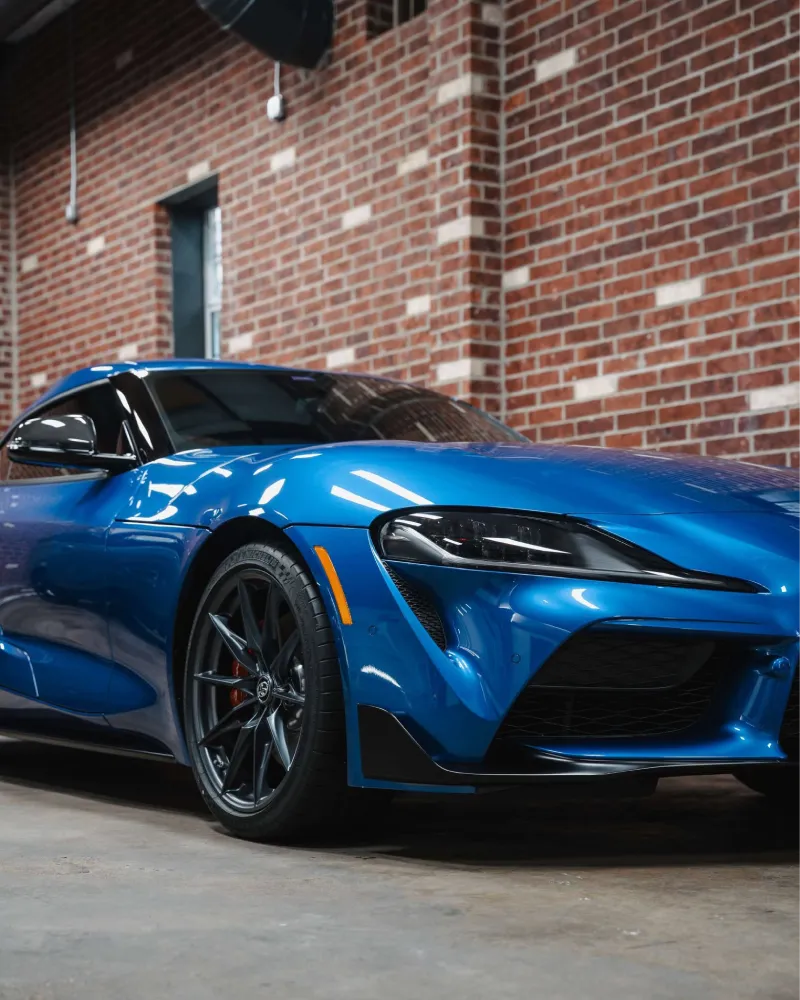
Expert Tips to Keep Window Tint Looking Like New
A few simple habits can significantly extend the life of your window tint while preserving its appearance.
- Use clean microfiber towels every time. Dirt trapped in old towels can create fine scratches on the tint film.
- Clean your windows regularly. Removing dust and fingerprints before they build up makes cleaning easier and reduces the need for aggressive wiping.
- Avoid hanging sharp objects near the glass. Seat belt buckles, keys, and other hard objects can accidentally scratch the film.
- Keep window seals clean. Dirt trapped in the weatherstripping can rub against the tint each time you roll the window up or down.
- Choose products designed for tinted glass. Specialized cleaners are formulated to protect the film without affecting its adhesive or protective coating.
Customers searching for Spring, TX, window tinting often ask whether professional maintenance is necessary after installation. The answer is yes; routine inspections and proper cleaning habits help preserve both the appearance and performance of high-quality tint for years.
Real-World Experience Matters
Experience plays an important role in achieving lasting results with automotive window tint. Proper installation is only the first step; ongoing care determines how well the film performs over time.
For example, during a routine maintenance appointment for a customer from Gleannloch Farms, our technicians found that using only ammonia-free products had kept the tint exceptionally clear years after installation.
Another vehicle owner from Champion Forest maintained excellent optical clarity simply by replacing paper towels with dedicated microfiber cloths and following a consistent cleaning schedule.
We also assisted a customer from Windrose who wanted to remove stubborn fingerprints without damaging the film. After switching to tint-safe cleaning products and gentler techniques, the windows regained their streak-free finish without compromising the integrity of the tint.
These experiences reinforce a simple truth: quality materials combined with proper maintenance deliver the best long-term results.
Why Professional Installation Supports Long-Term Performance
Even the best cleaning routine cannot compensate for poor installation. Professionally installed window tint provides a stronger foundation for years of reliable performance.
Benefits of professional installation include:
- Precise edge alignment
- Proper adhesive bonding
- Improved optical clarity
- Longer-lasting performance
- Manufacturer-backed warranty protection
- Expert aftercare guidance
Choosing an experienced installer also ensures that the film is matched to your driving needs, local regulations, and desired appearance.
At Houston Paint Protection, every installation is completed with meticulous attention to detail because preserving your investment starts with doing the job right the first time.
Why Automotive Enthusiasts Trust Houston Paint Protection
At Houston Paint Protection, we combine premium window films, expert installation, and practical maintenance guidance to help protect your investment. Whether your goal is UV protection, heat rejection, glare reduction, privacy, or enhanced appearance, proper cleaning helps keep your window tint performing at its best and looking its best for years to come.
In Summary
Properly cleaning tinted windows helps preserve their appearance, UV protection, and heat rejection for years to come. Using ammonia-free cleaners, microfiber cloths, and gentle cleaning techniques will protect the window film and keep it looking its best. For expert window tint installation and professional care advice, trust Houston Paint Protection to help you maximize the performance and lifespan of your automotive window tint.
If you’re considering window tinting or have questions about tint care, contact us today. Our experienced team provides expert installation, premium window films, and professional aftercare guidance to help protect your investment.
People Also Ask
Can I use household glass cleaner on tinted windows?
No. Many glass cleaners contain ammonia, which can damage window tint. Use an ammonia-free, tint-safe cleaner.
What is the safest cloth for cleaning tinted windows?
A clean microfiber cloth. It removes dirt without scratching the tint.
How often should tinted windows be cleaned?
Every 2–4 weeks to prevent buildup and maintain clarity.
Can vinegar damage window tint?
Diluted vinegar is generally safe, but a tint-safe cleaner is the better choice.
Why do tinted windows become streaky after cleaning?
Cleaning in direct sunlight, using too much cleaner, or using dirty towels can cause streaks.
Can damaged window tint be repaired?
Usually no. Scratches, bubbling, or peeling typically require replacing the affected film.