Installing paint protection film (PPF) over repainted or repaired panels is not inherently unsafe, but it introduces a higher level of technical risk compared to factory paint. The outcome depends almost entirely on paint quality, curing time, and surface preparation. When these factors are not properly verified, PPF can fail prematurely or expose hidden issues in the refinished surface.
The most important principle is this: paint protection film does not strengthen paint; it only protects what is already stable. If the underlying paint is still curing or poorly bonded, the film can amplify existing weaknesses rather than prevent damage.
Why Repainted Panels Require Special Consideration Before PPF Installation
Factory-applied automotive paint is engineered in highly controlled environments with precise temperature, humidity, and bake cycles. This creates predictable adhesion and hardness characteristics. Repainted or repaired panels, however, depend on aftermarket conditions that vary widely between body shops.
Even when a repainted panel looks flawless, its internal chemical structure may still be stabilizing. Automotive coatings continue to off-gas solvents after application, and the curing process can last for days or even weeks, depending on the paint system type and environmental exposure.
Key differences between factory and refinished paint systems
| Property | Factory Paint | Refinished Paint |
| Application environment | Controlled OEM facility | Variable shop conditions |
| Cure cycle | Fully standardized | Technician-dependent |
| Solvent evaporation | Completed before delivery | May continue after repair |
| Surface consistency | Highly uniform | Varies by repair method |
| PPF bonding reliability | Predictable | Requires evaluation |
Because of these differences, professional inspection is essential before applying any film.
Risks of Installing Paint Protection Film Over Repaired Surfaces
1. Adhesion failure caused by incomplete curing
One of the most significant risks is premature installation over paint that has not fully cured. When solvents remain in the coating, they interfere with adhesive bonding. This can lead to early edge lifting, inconsistent adhesion, or complete film separation in localized areas.
2. Paint delamination during future removal
If a repair was poorly executed, especially with inadequate surface preparation or weak primer adhesion, the paint layer may not adhere well to the substrate. Over time, film removal can unintentionally pull compromised paint layers away from the panel.
3. Outgassing trapped beneath the film
Even after the surface appears dry, paint can continue releasing volatile compounds. When sealed under PPF, these gases have no escape path, resulting in microbubbles, haze, or pressure distortion beneath the film surface.
4. Visible imperfections are becoming more pronounced
PPF is optically clear and conforms tightly to the surface. This means it does not hide imperfections. Instead, it often highlights:
- Sanding scratches
- Blending transitions
- Dust inclusions
- Orange peel inconsistencies
- Clear coat texture differences
5. Reduced long-term film performance
When paint substrates vary in hardness or adhesion strength, the film experiences uneven tension across the panel. Over time, this can accelerate wear at edges and increase the likelihood of premature failure.
6. Increased risk during removal
A properly installed film should remove cleanly without affecting paint. However, on improperly cured or weakly bonded paint, removal can become unpredictable and may require heat, solvents, or additional care to avoid damage.
How Professionals Determine If a Repaired Panel Is Ready for Paint Protection Film
Professional installers rely on a structured evaluation process, rather than on visual inspection alone, when assessing vehicles in Tanglewood paint protection film applications.
Key readiness indicators
- Paint has reached full hardness (not just surface dryness)
- No residual solvent smell is detectable
- Gloss level is consistent across repaired and adjacent panels
- No visible sanding or buffing marks under inspection lighting
- Paint thickness readings fall within expected ranges
- Repair documentation confirms cure timing and materials used
Each of these factors helps determine whether the surface is stable enough for film application.
Industry Best Practices for Safe PPF Installation
Recommended curing timelines
There is no universal curing period, as different paint systems behave differently. However, professional installers typically defer installation until:
- Manufacturer-recommended cure times are met
- Panels have undergone full environmental stabilization
- Surface hardness has been verified through inspection
Multi-step inspection workflow
A reliable installation process includes:
- Controlled lighting inspection for surface defects
- Chemical contamination assessment (oils, residues, polishing compounds)
- Paint thickness measurement to identify repaired zones
- Adhesion risk evaluation based on surface condition
- Environmental checks (temperature, humidity, dust exposure risk)
Surface preparation standards
Before installation, the surface must be:
- Fully decontaminated
- Free of polishing oils or silicones
- Mechanically stable (no soft or uncured layers)
- Consistent in surface energy for adhesive bonding
Without proper preparation, even premium film systems can fail prematurely.
How Paint Type and Body Shop Materials Impact PPF Performance
Not all repaint jobs behave the same under paint protection film, even if the surface looks identical at the time of installation. The type of paint system used, along with primers, clear coats, and hardeners, plays a major role in long-term adhesion stability.
Modern refinishing systems include waterborne basecoats, high-solids clears, and rapid-cure systems. While these are designed to speed up production, they can behave differently when used with sealed film layers if not fully stabilized.
Key material factors that influence PPF bonding
- Clear coat hardness: Softer clears may show imprinting or edge tension issues under film
- Reducer and hardener ratios: Incorrect mixing can delay full curing
- Primer compatibility: Incompatible primers can weaken long-term adhesion
- Bake cycle quality: Insufficient heat curing leaves residual solvents in the film layer
Installers often see issues when vehicles are delivered quickly after repair without allowing proper chemical stabilization time. Even when the surface passes visual inspection, underlying material instability can still affect film longevity.
Why Paint Protection Film Cannot Correct Paint Defects
A common misconception among vehicle owners is that PPF will conceal or improve paint imperfections. In reality, paint protection film in Tanglewood, TX, is not corrective; it is protective.
Because it is optically clear and tightly bonded, it follows every contour of the surface beneath it. Any imperfections in the paint remain visible and may even become more noticeable due to the magnifying effect of the film layer.
This is why professional installers emphasize paint correction and inspection before installation. PPF should always be applied to a finished surface, not a flawed one.
Advanced Installation Risk Reduction Process
Professional-grade installations often rely on structured decision frameworks to ensure long-term performance.
Step 1: Surface classification
Determine whether the panel is:
- Factory original
- Partially blended
- Fully repainted
- Structurally repaired
Step 2: Curing verification
Confirm chemical stability rather than surface dryness alone.
Step 3: Adhesion testing
Evaluate bonding behavior using controlled application checks.
Step 4: Environmental stabilization
Ensure installation conditions support proper adhesive curing.
Step 5: Post-installation observation
Monitor initial bonding behavior during the first 24–72 hours.
This structured process significantly reduces installation failure rates.
Expert Installation Insight from Houston Paint Protection
At Houston Paint Protection, every installation begins with a structured evaluation process designed to prevent avoidable failures. Rather than assuming all paint surfaces are ready for film, each vehicle is individually assessed for curing stability, repair integrity, and surface readiness.
This is particularly important for modern electric vehicles and luxury finishes, where paint quality is highly visible and surface imperfections are easily detected under natural lighting conditions.
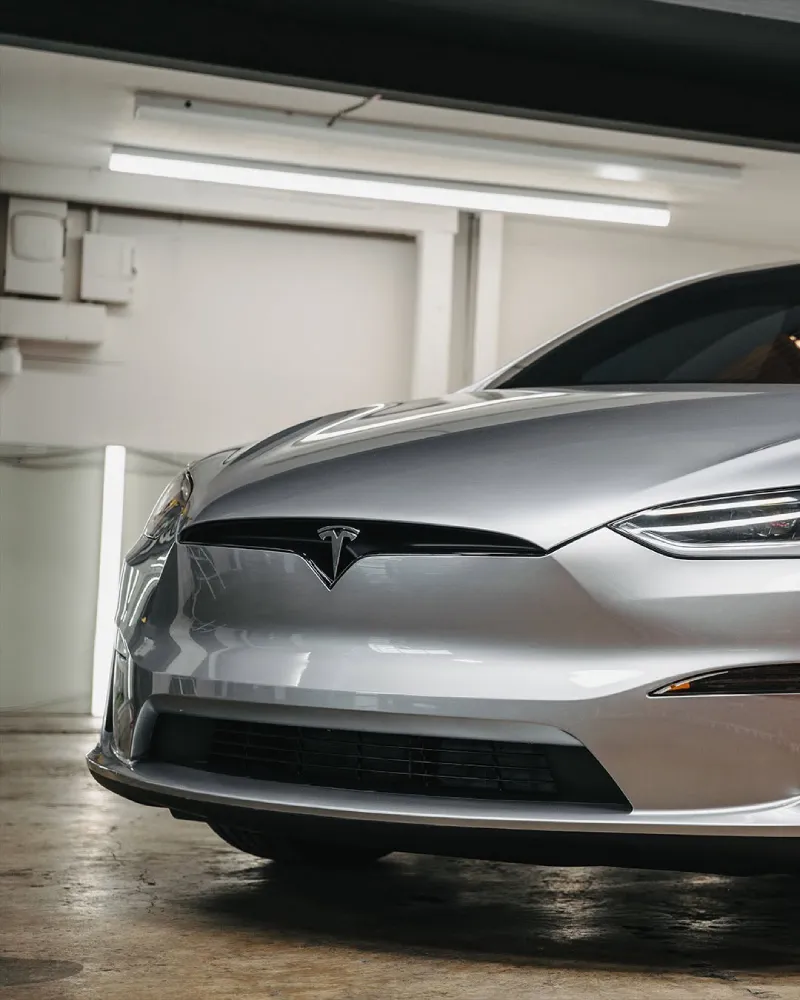
Owners seeking Tesla protection solutions often prioritize flawless optical clarity and edge precision due to the large, reflective surfaces on Tesla panels. Paint protection film in Tanglewood is frequently chosen to help preserve these finishes and maintain the vehicle’s appearance.
In many cases, installers encounter vehicles with mixed repair histories that require extended inspection before installation can proceed safely.
Tesla protection projects often involve environmental exposure considerations that affect curing stability and adhesive performance.
Factors such as humidity, storage conditions, and previous detailing work can also influence final installation quality.
In Summary
Installing paint protection film over repainted or repaired panels requires more than visual inspection. It demands verified curing, stable surface chemistry, and professional installation practices.
When these conditions are met, PPF provides excellent long-term protection against chips, scratches, and environmental wear. Houston Paint Protection notes that when they are ignored, even premium film systems can fail prematurely.
For vehicle owners seeking expert evaluation and professional-grade installation, contact us today to ensure your vehicle is properly assessed before paint protection film is applied.
Frequently Asked Questions
Can paint protection film be applied right after repainting?
No. The paint must fully cure before film installation to avoid adhesion failure and solvent trapping issues.
How long should I wait after repainting before installing PPF?
Timing varies by paint system and environmental conditions, but professional evaluation is required before installation.
Will PPF damage freshly painted surfaces?
Not if properly cured. However, weak or uncured paint may be at risk during removal.
Does paint protection film hide imperfections?
No. It preserves the exact condition of the surface beneath it.
Why is inspection necessary before installation?
Surface stability cannot be determined by appearance alone.